Coolant & Antifreeze
The Two Essential Drinks for Your Engine's Health
Coolant and antifreeze are two of the most important fluids in your vehicle. Together, they help regulate engine temperature, protect critical engine components, and prevent costly damage caused by extreme heat or freezing temperatures.
Coolant, also known as radiator fluid, helps carry heat away from the engine to prevent overheating. Antifreeze lowers the freezing point of the coolant, protecting your engine during colder weather while also helping prevent corrosion throughout the cooling system.
Because these fluids work together year-round, maintaining the proper levels is essential for reliable vehicle performance in every season. If your coolant or antifreeze is low, contaminated, or overdue for replacement, the experienced technicians at Gulf Coast NAPA Auto Cares are here to help. With multiple convenient locations, our team provides professional coolant and antifreeze services to keep your engine protected and your vehicle running at its best wherever you visit us.
What Is the Difference Between Coolant and Antifreeze?
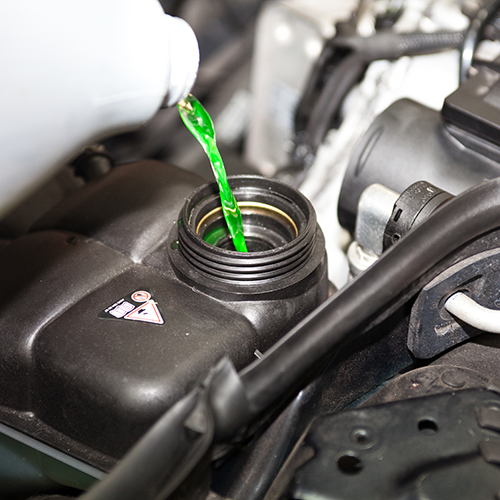
Coolant and antifreeze are terms that are often used interchangeably, but they serve slightly different purposes. Antifreeze is a concentrated fluid, typically made with ethylene glycol or propylene glycol, that helps prevent your vehicle’s radiator fluid from freezing in cold temperatures.
When antifreeze is mixed with water in the correct ratio, it becomes coolant, also known as engine coolant or automotive coolant. In other words, antifreeze is the main ingredient in coolant and helps your vehicle maintain proper operating temperatures.
Your vehicle depends on coolant and antifreeze to regulate engine temperature, protect against extreme weather conditions, and help prevent costly engine damage. At Gulf Coast NAPA Auto Cares, our experienced technicians inspect your vehicle’s coolant and antifreeze levels and condition during routine maintenance services to help keep your vehicle running safely and efficiently.
What Happens When Coolant and Antifreeze Levels Are Low?
Low coolant or antifreeze levels can put your vehicle at risk for serious problems. Some common issues caused by low levels include:
- Engine Overheating: Without enough coolant to regulate engine temperature, your vehicle may overheat, which can lead to warped engine components, a blown head gasket, or even complete engine failure.
- Corrosion: Low coolant levels or depleted coolant additives can allow rust and corrosion to form inside your cooling system. This buildup can cause blockages, increase the risk of leaks, and reduce cooling system performance.
- Reduced Fuel Efficiency: When your engine operates at higher-than-normal temperatures, it may work harder and use more fuel, resulting in more frequent trips to the gas station.
At Gulf Coast NAPA Auto Cares, our multiple locations provide professional coolant refill and maintenance services to help prevent these issues. Our technicians use high-quality coolant solutions that are compatible with your vehicle’s make and model. During service, we also inspect for leaks and identify potential cooling system concerns before they become major repairs.
Common Causes of Low Automotive Coolant Levels
Several issues can cause your vehicle’s coolant levels to drop, including:
- Leaks: A coolant leak is one of the most common reasons for low coolant levels. Leaks can occur in the radiator, water pump, hoses, or other cooling system components, allowing coolant to escape.
- Faulty Radiator Cap: A loose, damaged, or worn radiator cap can allow coolant to leak out, causing levels to gradually decrease.
- Damaged Radiator: Cracks, corrosion, or damage to the radiator can lead to coolant leaks and prevent your engine from maintaining proper temperatures.
- Engine Block Issues: Components such as the cylinder head and engine block contain gaskets that can wear down over time.
Damage to these areas may allow coolant to leak and affect engine performance.
No matter the cause, the technicians at Gulf Coast NAPA Auto Cares can help diagnose and repair coolant system issues. Coolant levels can also decrease due to normal wear, evaporation, and age, making regular coolant inspections and services an important part of vehicle maintenance.
How Often Does Your Vehicle Need a Coolant Flush?
A coolant flush removes old coolant, contaminants, and buildup from your vehicle’s cooling system before adding fresh coolant. This service helps maintain proper engine temperatures, improve cooling system performance, and protect against corrosion.
Many vehicles require a coolant flush approximately every 30,000 miles or every two to three years, although service intervals may vary depending on your vehicle’s manufacturer recommendations, driving habits, and coolant type.
The technicians at Gulf Coast NAPA Auto Cares can help determine the right maintenance schedule for your vehicle and provide coolant services at any of our convenient locations.
Keep Your Engine Protected with Coolant & Antifreeze Services
Your vehicle’s cooling system plays an essential role in preventing overheating and protecting your engine year-round. Low or contaminated coolant can lead to expensive repairs and unexpected breakdowns if left untreated.
Visit any Gulf Coast NAPA Auto Cares location for reliable coolant and antifreeze services. Our experienced technicians provide cooling system maintenance and repairs, including coolant flushes, radiator services, water pump repairs, and inspections.
With multiple locations available, we make it easy to get the expert automotive care your vehicle needs. Schedule your coolant service today and keep your engine running at its best in every season.