Alternator service
Drive Confidently After an Alternator Service
Your vehicle's alternator is responsible for converting the engine's mechanical energy into the electrical power needed to keep your vehicle running. Once your engine starts, the alternator powers essential electrical components—including your headlights, dashboard, radio, power accessories, and charging system—while continuously recharging the battery.
Although the battery is what provides the initial power to start your vehicle, the alternator takes over once the engine is running. Together, these components work to ensure your vehicle operates reliably every time you drive.
When an alternator begins to fail, you may notice warning signs such as dimming headlights, a weak or dead battery, electrical system malfunctions, or difficulty starting your vehicle. Ignoring these symptoms can leave you stranded and lead to more expensive repairs.
At Gulf Coast NAPA Auto Cares, our certified technicians provide professional alternator inspections, testing, repairs, and replacements at all of our convenient locations. Whether you need routine charging system maintenance or a complete alternator replacement, you can count on our team to diagnose the problem accurately and get you back on the road with confidence.
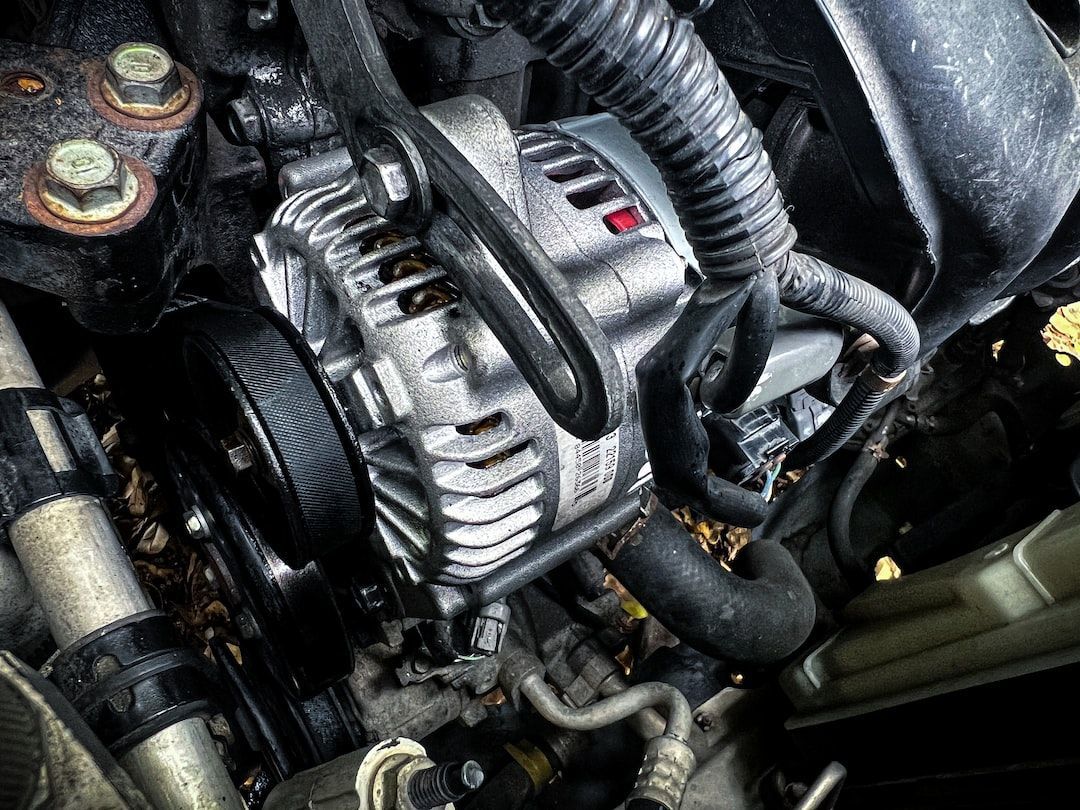
What Are the Components of an Alternator?
Your vehicle's alternator is made up of several key components that work together to generate electricity and keep your battery charged. When one of these parts wears out or fails, your vehicle's charging system may not function properly.
Stator
The stator contains a series of copper windings that work with the rotor to generate alternating current (AC).
Rotor
The rotor features an iron core wrapped with copper wire. As it spins inside the alternator, it creates the magnetic field needed to generate electricity.
Bridge Rectifier
The bridge rectifier converts the alternating current (AC) produced by the alternator into direct current (DC), which powers your vehicle's electrical system and charges the battery.
Voltage Regulator
The voltage regulator monitors the alternator's electrical output, ensuring your battery and vehicle receive a consistent voltage without overcharging or undercharging.
Brushes
Many alternators use carbon brushes to transfer electrical current between the rotating and stationary components.
Slip Rings
Some alternator designs use slip rings to maintain electrical contact with the rotating rotor.
Cooling Fan
The cooling fan helps dissipate heat generated by the alternator, preventing overheating and extending the life of the charging system.
No matter which Gulf Coast NAPA Auto Cares location you visit, our experienced technicians can inspect every component of your alternator and charging system. Using advanced diagnostic equipment, we'll identify the cause of the problem and recommend the most effective repair.
How Does an Alternator Work?
The alternator is the heart of your vehicle's charging system. After the engine starts, it continuously supplies power to your vehicle's electrical components while recharging the battery.
Here's how it works:
- Drive Belt: The engine turns the drive belt, which spins the alternator pulley.
- Rotor and Stator: As the rotor spins inside the stator, it creates a magnetic field that generates alternating current (AC).
- Rectifier and Voltage Regulator: The rectifier converts AC into direct current (DC), while the voltage regulator ensures the charging system delivers a steady voltage to your battery and electrical components.
If any part of the charging system fails, your vehicle may experience battery problems, electrical issues, or starting difficulties. Our technicians at every Gulf Coast NAPA Auto Cares location are equipped to diagnose charging system problems quickly and perform reliable repairs.
Common Signs of a Failing Alternator
If your alternator is beginning to fail, your vehicle will often provide several warning signs. If you notice any of these symptoms, visit your nearest Gulf Coast NAPA Auto Cares location for a professional inspection.
Dimming or Flickering Lights
One of the earliest signs of alternator trouble is headlights, interior lights, or dashboard lights that dim or flicker while driving. This typically indicates the charging system isn't supplying enough electrical power.
Battery Problems
A battery that repeatedly dies or won't stay charged may actually be caused by a failing alternator. Our technicians can test both the battery and charging system to determine the root cause.
Dashboard Warning Light
If your battery or charging system warning light appears on the dashboard, it's important to have your vehicle inspected promptly before the issue leads to a breakdown.
Unusual Noises
Grinding, whining, or squealing sounds may indicate worn alternator bearings, a failing alternator, or a loose or worn drive belt that requires attention.
Electrical Problems
Power windows, door locks, infotainment systems, heated seats, and other electronic accessories may stop working properly if the alternator cannot provide sufficient power.
Routine charging system inspections can detect these issues early, helping you avoid unexpected repairs and roadside breakdowns.
Reliable Alternator Service at All of Our Locations
A healthy alternator is essential for keeping your battery charged and your vehicle's electrical systems operating properly. Whether you need an alternator inspection, charging system diagnostics, belt replacement, alternator repair, or a complete alternator replacement, our experienced technicians are here to help.
With multiple convenient locations, Gulf Coast NAPA Auto Cares
makes it easy to receive expert alternator service wherever you are. Visit the location nearest you to keep your vehicle running reliably and your charging system performing at its best.